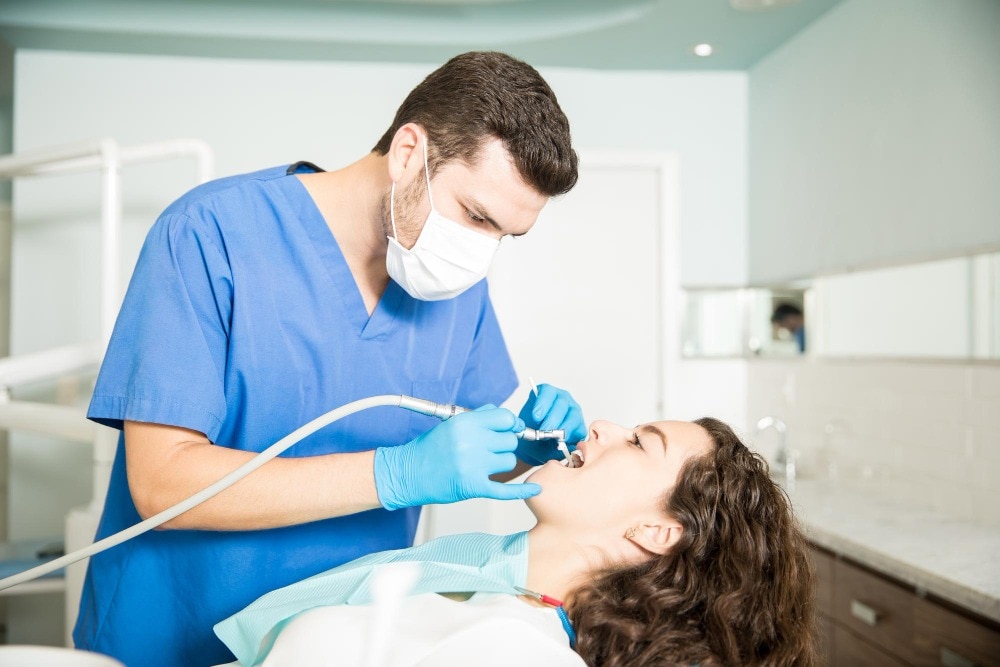
The first hours after an extraction determine how well the blood clot stays in place, while pain, swelling, food choices, and cleaning affect the days that follow. You will be able to follow a day-by-day recovery plan, recognise warning signs, and know when to contact a dentist or seek emergency care.
Key takeaways
- Bite firmly on fresh gauze for 20–30 minutes to control active bleeding.
- Avoid smoking, alcohol, vigorous rinsing, and straws during early healing.
- Contact your dentist if pain worsens after day two or swelling keeps increasing.
- Seek emergency help for uncontrolled bleeding, breathing difficulty, or facial swelling.
The First 24 Hours: Protect the Clot and Control Bleeding
Place fresh gauze directly over the extraction socket, not beside it, and bite with firm, steady pressure for 20–30 minutes if bleeding continues. Pink or blood-stained saliva is common; active bleeding that pools in your mouth or quickly soaks gauze is different. If heavy bleeding persists, contact the treating dentist or seek urgent dental care.
1. Keep the clot undisturbed. Do not smoke, vape, drink alcohol, use a straw, spit forcefully, rinse vigorously, or probe the socket with your finger, tongue, cotton bud, or other object. Avoid exercise, heavy lifting, and strenuous activity for the rest of the day; follow longer restrictions after a surgical or difficult extraction.
2. Drink water from a cup and choose cool or lukewarm soft foods. Chew on the opposite side. Avoid hot food and drinks while numbness remains, because you can burn your mouth or bite your cheek without noticing.
3. Rest with your head slightly elevated and sleep on the opposite side, keeping pressure off the extraction area. Your dentist’s positioning advice takes priority because the socket location, extraction difficulty, and bleeding risk differ between patients.
These steps support general dentistry tooth extraction recovery and reduce the chance of losing the clot, which can expose bone and lead to painful dry socket. For tooth extraction healing tips in Thane or elsewhere, use your written aftercare instructions when they differ from general guidance.
Days 2–7: Separate Normal Healing From a Complication
During days 2–3, soreness and swelling can reach their highest point before gradually improving. Bruising can last longer, while the socket closes over a longer period that varies with the extraction: a simple tooth heals differently from a surgical or lower wisdom-tooth removal.
After the first 24 hours, use a gentle warm salt-water rinse to help keep the area clean. Do not swish forcefully; tilt your head and let the rinse fall out. Brush the other teeth normally, but clean near the socket carefully without scraping it or directing forceful irrigation into the wound.
Dry socket is not a routine stage of tooth extraction healing. Seek prompt dental assessment if pain becomes severe and throbbing after initial improvement, travels toward the ear or temple, or comes with a bad taste or smell. Smoking increases risk, as do difficult lower wisdom-tooth extractions, but these symptoms do not prove the cause.
Possible infection needs prompt review when you have:
- Fever
- Pus
- Spreading facial swelling
- Increasing difficulty opening your mouth
- Feeling generally unwell
Only a dentist can identify whether the problem is dry socket, infection, or another complication. Do not place clove oil, aspirin, leftover antibiotics, or any other substance in the wound. These tooth extraction healing tips in Thane cannot replace the treating dentist’s instructions, especially after surgical extraction.
Food, Medicines, Cleaning, and Returning to Daily Activities
Choose yoghurt, dal, mashed vegetables, eggs, or lukewarm soup while chewing hurts. Drink water from a cup, stay hydrated, and return to normal chewing gradually when chewing causes neither pain nor bleeding. Avoid very hot food while numb, and use a cold pack outside the face for short intervals during the first day.
Follow prescribed medicines exactly. Ask your dentist whether ibuprofen, paracetamol, or both suit your medical history; avoid aspirin unless specifically directed. Never stop anticoagulant or antiplatelet medicine without the prescribing clinician’s advice. Antibiotics are not routine after every extraction; use them only for a diagnosed indication.
After the first 24 hours, brush other teeth normally and clean near the socket gently without scraping, probing, or forceful irrigation.
Use this general dentistry recovery after tooth extraction in Thane checklist before resuming routines:
- Work or school: return when bleeding is controlled, pain is manageable, and concentration is unaffected; postpone if your job involves heavy exertion, heat, dust, or public safety.
- Exercise and lifting: avoid strenuous activity for the rest of extraction day; follow longer restrictions after surgical or difficult extraction.
- Driving and safety-critical decisions: do not drive or make safety-critical decisions after sedation or while taking strong pain medicine.
- Travel: go when symptoms are stable and you can access dental care if bleeding, swelling, or severe pain develops.
For children, older adults, pregnancy, diabetes, immune suppression, or blood-thinning treatment, obtain individual instructions and arrange closer review when advised. Extraction-specific guidance overrides generic advice.
When to Call a Dentist in Thane—and When to Seek Emergency Help
Uncontrolled bleeding, rapidly increasing facial or neck swelling, breathing difficulty, inability to swallow, or severe infection symptoms need emergency help, not a routine extraction aftercare dentist in Thane appointment.
| Level | Symptoms | Action |
|---|---|---|
| Routine review | Mild oozing, blood-stained saliva, or manageable soreness that is improving | Record it and mention it at the planned follow-up |
| Same-day dental care | Pain that worsens after initial improvement, throbbing pain toward the ear or temple, bad taste or smell, fever, pus, increasing mouth-opening difficulty, or feeling unwell | Contact the treating dentist or another dentist today |
| Emergency care | Heavy bleeding that will not stop, rapidly increasing facial or neck swelling, trouble breathing, inability to swallow, or severe infection with systemic illness | Attend urgent dental or hospital care immediately |
Dry socket usually appears several days after extraction and needs assessment; leftover antibiotics do not replace socket treatment. Review timing differs because a simple extraction may need only routine monitoring, while surgical extraction, large molar removal, or wisdom-tooth extraction can require closer review. Diabetes, immune suppression, or blood-thinning treatment also changes the plan.
Outside clinic hours, call the clinic’s emergency number if provided. Otherwise, arrange review when it reopens; attend urgent dental or hospital care immediately for airway or uncontrolled-bleeding symptoms. Record the extraction time, bleeding duration, pain trend, temperature, medicines taken, allergies, and medical conditions.
If another dentist in Thane sees you, carry prescriptions, written instructions, and relevant medical records. Dentistic Dental Clinic - 8104224702 can help organise examination and review planning when its dentist-specific instructions are available.
Related services
Extraction Treatment ₹1000 Tooth extraction, is a safe and painless procedure aimed at removing damaged, decayed, or problematic teeth. View service → |
Wisdom Tooth Extraction ₹8000 Wisdom tooth extraction is a safe and comfortable procedure to address impacted or problematic third molars. View service → |
Prepare Before the Appointment and Plan for the Missing Tooth
Give the dentist a complete medicine list and medical history before extraction. Include anticoagulants or antiplatelet medicines, diabetes, immune suppression, pregnancy, allergies, and previous reactions to anaesthesia. If sedation is planned, follow the treating dentist’s eating and drinking instructions, arrange transport, and do not drive yourself home.
Request these items before leaving the appointment:
- Written aftercare for your specific socket
- Prescription directions, including what to do if a dose is missed
- The clinic contact number and emergency instructions
- The planned review date
- Advice on replacement options and when to discuss them
“Painless extraction” and “modern techniques” do not provide enough information for comparison. Ask about the extraction type, anaesthesia plan, bleeding instructions, follow-up, emergency contact, and whether the tooth might be saved.
| Option | What it involves | Main decision points |
|---|---|---|
| Root canal and restoration | Removes infection while retaining the tooth | Remaining tooth structure, treatment time, cost, and long-term function |
| Extraction | Removes the tooth and leaves a space | Surgical difficulty, healing, infection, and replacement planning |
| Replacement after healing | Bridge, denture, or single-tooth implant | Bone and gum healing, function, appearance, cost, and maintenance |
A missing tooth can affect chewing and neighbouring teeth, so discuss replacement after healing rather than assuming the space is harmless.
For examination, written aftercare, and review planning in Thane, an extraction aftercare dentist in Thane can help; these tooth extraction healing tips in Thane and any general dentistry tooth extraction recovery advice never override your dentist’s socket-specific instructions.
Frequently asked questions
How long should I bite on gauze after a tooth extraction?
Place fresh gauze directly over the socket and bite with firm, steady pressure for 20–30 minutes. Replace it and contact the treating dentist if active bleeding continues.
What is normal during tooth extraction recovery?
Pink or blood-stained saliva, tenderness, mild swelling, and discomfort during the first few days can occur. Pain that worsens after day two, increasing swelling, fever, pus, or a bad taste needs dental assessment.
What should I avoid after tooth extraction?
Do not smoke, drink alcohol, use a straw, spit forcefully, or rinse vigorously during early healing. These actions can disturb the blood clot and delay recovery.
When should I seek emergency help after an extraction?
Seek emergency care for bleeding that will not stop, trouble breathing or swallowing, rapidly increasing facial swelling, or swelling that affects the eye or neck.
Keywords