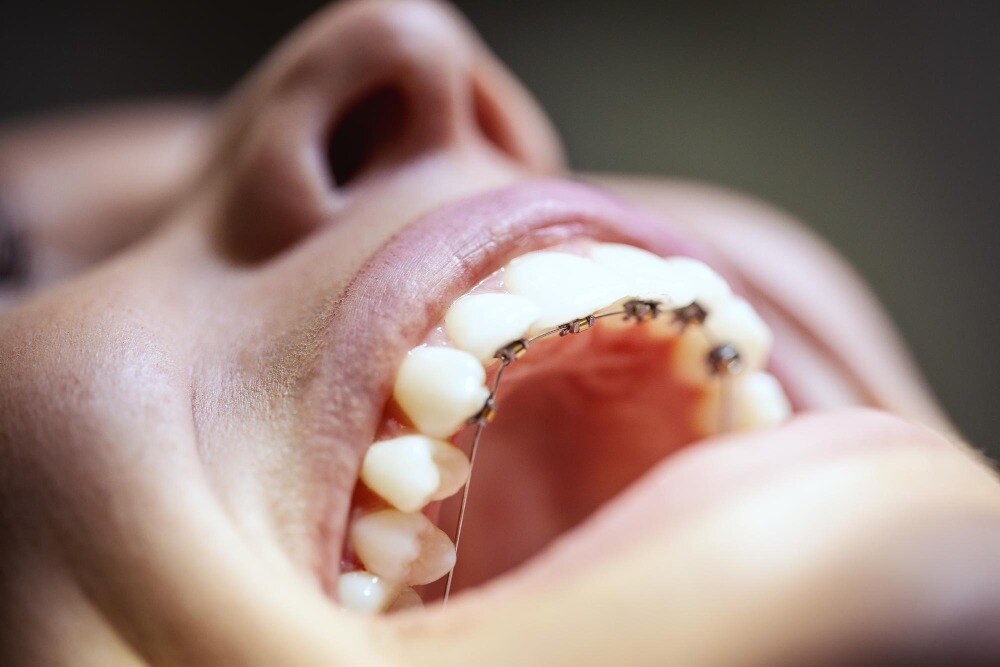
Choosing tongue-side braces requires more than checking whether they are discreet. You need to know how a clinic assesses your bite and tooth surfaces, whether your teeth and gums can support the appliance, what daily care involves, and how the option compares with other orthodontic systems.
Key takeaways
- Confirm your enamel shape and bite can support secure tongue-side brackets.
- Compare lingual braces with aligners and visible fixed braces before choosing.
- Use a soft toothbrush, interdental brush, and orthodontic wax during early soreness.
- Keep every adjustment visit and wear retainers as prescribed after treatment.
What does a Thane clinic check before recommending lingual braces?
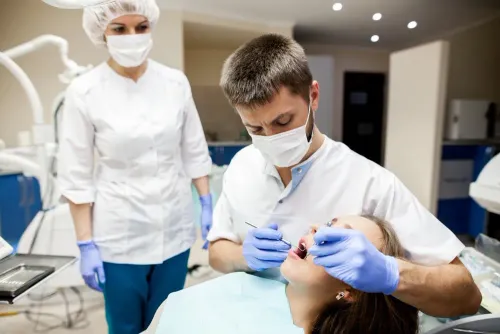
The consultation starts with an orthodontic examination, not bracket placement. An orthodontist with specific lingual experience, or a clinician working under that orthodontist’s supervision, assesses whether the tongue-facing surfaces provide enough enamel space and suitable contours for secure brackets.
1. The clinic records facial and intraoral photographs, then captures an intraoral scan or takes physical impressions. These produce dental models for measuring crowding, rotations, tooth shape, tongue space, and the planned bracket positions.
2. The orthodontist examines your bite, including deep bite, open bite, crossbite, and the movements needed to correct it. Appropriate X-rays check roots, bone support, impacted teeth, and problems hidden beneath existing crowns or fillings.
3. The examination checks enamel condition, untreated decay, gum disease, plaque control, and the condition of every restoration. Brackets bonded to weak enamel, unsuitable crowns or fillings, or poorly controlled plaque can fail or trap disease around the teeth.
4. The clinician decides whether lingual mechanics can control your tooth movements safely. A bite requiring different mechanics can make inside braces in thane a poor choice, as can poor oral hygiene, active periodontal disease, inadequate enamel, unsuitable restorations, limited tongue space, or impacted teeth.
If these issues are present, treat them before orthodontic bonding or compare another fixed appliance, aligners, or combined treatment. Ask who performs the diagnosis and bracket planning; restricted visibility and varied inner tooth contours make specific lingual experience important.
How do lingual braces compare with aligners and other fixed braces?
If you are comparing lingual braces for a dental clinic in Thane, choose by movement demands, not appearance alone.
| Option | Front visibility | Removability, speech and cleaning | Movement control and visits |
|---|---|---|---|
| Lingual braces | Hidden | Fixed; speech changes and tongue irritation are possible; cleaning is difficult | Strong control, including many rotations; regular adjustment visits; restricted access makes complex mechanics technically demanding |
| Clear aligners | Nearly invisible | Removable; speech changes can occur; success depends on wearing and removing trays as instructed and cleaning teeth and trays | Good for selected movements; less reliable when trays are not worn; review visits monitor progress |
| Ceramic braces | Tooth-coloured but visible | Fixed; usually less speech interference than lingual braces; front surfaces are easier to brush and inspect | Predictable fixed mechanics; visible brackets give stronger monitoring access; regular adjustments |
| Metal braces | Clearly visible | Fixed; easiest appliance access for brushing and inspection | Durable and predictable for difficult movements and complex bite problems; regular adjustments |
Ceramic or metal braces can provide easier access and more predictable mechanics when crowding, rotations, deep bites, crossbites, or other difficult movements need close control. A hidden appliance does not guarantee shorter treatment; bite complexity, breakages, missed visits, and cooperation determine duration.
- Who diagnoses and bonds the brackets, and how many lingual cases does that clinician handle?
- Which alternatives fit your bite?
- How are loose brackets or cutting wires managed?
- Are routine dental and gum care, scans, repairs, and retainers included?
- Which fees are excluded?
Dentistic Dental Clinic - 8104224702 can be one clinic to question on these practical details rather than choosing from the word “invisible” alone.
Related service
Lingual Braces Treatment ₹52000 Dentistic offers specialised lingual braces treatment for patients who want an invisible yet effective orthodontic solution. View service → |
What happens when lingual braces are fitted, and what will the first days feel like?
Fitting lingual braces in Thane usually involves planning before bonding, because each bracket must match the tongue-facing surface precisely.
1. The clinic takes digital scans or physical impressions to create a three-dimensional dental model. The orthodontist uses a digital setup or model-based bracket plan to map each tooth’s intended position and select bracket locations.
2. Brackets are placed into an indirect-bonding tray according to that plan. The orthodontist seats the tray over the teeth, bonds brackets to the tongue-facing surfaces, and removes the tray. Bonding may occur in one or more stages.
3. The orthodontist inserts the archwire through the brackets, checks your bite while you close and move your jaw, and confirms that no component interferes with chewing. Before you leave, you should receive advice on cleaning, food, wax, discomfort, and what to do if anything comes loose.
Expect pressure and chewing tenderness for several days. Your tongue may rub against the brackets, causing irritation, extra saliva, and altered pronunciation, especially difficulty with the /s/ sound. Choose soft foods for a short period, place orthodontic wax over rubbing brackets, and practise speaking deliberately aloud.
Speech usually improves as your tongue adapts to the new contours, but the adjustment period varies. Follow the label if you use an ordinary over-the-counter painkiller.
Contact the clinic instead of waiting if a bracket is loose, a wire cuts your tongue, ulceration persists, pain is severe, or swelling occurs. Do not cut a wire or rebond a bracket at home; wax can provide temporary protection while you await instructions.
How do you clean the tongue-side brackets without injuring your gums?
Clean the tongue-side brackets twice daily with fluoride toothpaste and an orthodontic toothbrush. This routine matters as much for inside braces in Thane as for braces fitted on the front: hidden brackets still trap plaque and can cause gingivitis, enamel demineralisation, and decay.
- Brush the tongue-side teeth gently, angling the bristles around every bracket and beneath the archwire.
- Use an interdental brush for spaces the toothbrush misses, especially between brackets and along the gumline.
- Use a floss threader to guide floss beneath the wire, or use a water flosser on a gentle setting to flush around the brackets and under the wire.
- Move cleaning tools carefully. Do not force them into the gums, snap floss against the tissue, or bend the archwire.
- Rinse and inspect with a mirror after cleaning; bleeding, persistent swelling, or a rough area needs professional advice.
Limit frequent sugary snacks, sweetened drinks, and acidic drinks because repeated exposure feeds plaque bacteria and weakens enamel. Attend dental examinations and professional cleaning when advised; orthodontic adjustment visits do not replace preventive dental care. Ask the clinic to demonstrate the toothbrush angle, interdental brush size, and flossing method on your own appliance.
Do not assume that bracket placement completes your daily protection.
What should you expect from visits, treatment duration, emergencies, and retention?
Adjustment visits refine the archwire and check whether teeth are moving as planned. The orthodontist also inspects your gums for swelling, bleeding, plaque, or soreness; fixed appliances do not prevent periodontal problems.
- Attend each scheduled review and report a loose bracket or displaced archwire promptly. Either problem can interrupt movement or injure your tongue. Use orthodontic wax for temporary relief, but do not cut the wire or rebond the bracket yourself.
- Expect an estimated treatment range after diagnosis, not a fixed completion date. Duration depends on your original bite, the movements required, missed visits, breakages, and cooperation with cleaning and instructions. Hidden braces do not guarantee shorter treatment.
- Before starting, ask the lingual orthodontist in Thane who handles emergencies, how quickly you can be seen, and whether routine dental examinations and periodontal care are included. Confirm which scans, repairs, replacement components, and review visits are included, then request a written list of excluded costs and the retention plan.
After active treatment, your orthodontist may prescribe removable retainers, a bonded retainer behind the teeth, or both. Retainers limit relapse, but teeth can shift when retention stops, so discuss how long you must wear removable retainers and how bonded retainers will be checked and maintained.
Frequently asked questions
What does a Thane clinic check before recommending lingual braces?
The orthodontist examines your bite, enamel space, tongue-facing tooth contours, gum health, crowding, and cleaning ability before recommending lingual braces.
How do lingual braces compare with aligners and other fixed braces?
Lingual braces are fixed and hidden behind the teeth. Aligners are removable and less visible, while ceramic or metal braces sit on the front surfaces.
What happens when lingual braces are fitted?
The clinician cleans and prepares the teeth, bonds custom brackets to the tongue-facing surfaces, connects the archwire, and checks your bite and comfort.
How do you clean tongue-side brackets without injuring your gums?
Brush gently with a soft-bristled toothbrush, clean around each bracket with an interdental brush, and avoid forcing tools into the gums or under the wire.
What should you expect from visits, emergencies, treatment duration, and retention?
Expect scheduled adjustment visits, possible early tongue irritation, prompt advice for loose brackets or poking wires, a treatment timeline based on your case, and retainers after active treatment.
Keywords